A Healer in Every Home
Where your body actually comes from, how households used to look after themselves, and what it takes to do that again.
~10 min read
One with Nature
You and plants are not separate systems. Almost every atom in your body arrived there through a plant. The carbon in your muscles was pulled out of the air by a leaf. The minerals in your bones were drawn out of soil by a root. Your body did not simply grow up alongside the plant world — it is assembled, every day, out of it.
That is not a poetic way of putting it. It is the literal supply chain. A plant takes light, water, carbon dioxide and a handful of dissolved minerals, and out of those it builds sugars, fats, proteins, vitamins and several thousand other natural chemical compounds and oils. We cannot do that. We have no way to capture light and no way to build most of what we run on from scratch. What we have instead is the ability to eat.
Food is one half of what a plant hands over, and it is the half everybody already knows about. The other half is the part a plant makes to look after itself — the aromatic compounds it builds to survive heat, drought, insects and disease. Those are essential oils, and they come from exactly the same chemistry, out of exactly the same soil and season. One supply chain, two kinds of cargo: what builds you, and what supports you.
Nutritionists have a precise word for the things your body cannot manufacture and must therefore take in from outside: essential. It is a technical term, not an advertising one. An essential nutrient is one where the body has no synthesis pathway at all — if it does not arrive in your food, it does not arrive.
Things your body cannot make
Nine essential Amino Acids
The protein building blocks your body cannot assemble itself. Every one of them reaches you, directly or indirectly, from a plant.
Thirteen Vitamins
Your body makes a usable amount of only one of them on its own, from sunlight on skin. The rest arrive in food.
Every Mineral you contain
Elements cannot be manufactured by anything alive. Roots pull them from the ground and pass them up the chain.
Two essential Fatty Acids
The omega-3 and omega-6 parent fats. Seeds, nuts, leaves and the animals that ate them.
Plants and you
Step 1 of 8
A plant
A plant is the only thing in this chain that can build food out of almost nothing. Everything that follows starts here.
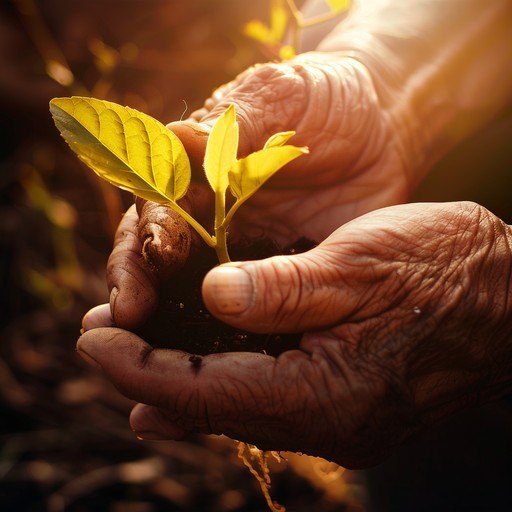
Go deeper: where minerals actually come from
Vitamins are built by living things. Minerals are not, and cannot be — an element is an element, and nothing alive has ever made one. Every gram of calcium in your bones, iron in your blood and magnesium in your muscles came out of rock, was weathered into soil, and was lifted out of that soil by a root.
That chain is short, and it has a weak link. A plant can only pass on what was in the ground it grew in. Soil that has been cropped hard for decades, fertilised for yield rather than for completeness, has less to give a root than it had — and everything above it in the chain gets what is left. It is the clearest case there is of why where food comes from is not a detail.
It is also why a healer thinks about sourcing at all, for food and for oils alike. A bottle is only ever as good as the soil, the season and the harvest behind it — which is the whole subject of Sourcing. You can also go the other way and read the nutrient library, which lists what each one does and the food it comes from.
Health through history
Every culture that has ever existed built a working knowledge of the plants around it, and the striking thing is how deep those systems got without any of the tools we would now call science.
Egypt, around 1550 BCE
The Ebers papyrus runs to more than a hundred pages of plant preparations. Aromatic resins — frankincense and myrrh among them — appear throughout it, and in the embalming record as well.
India
Ayurveda organised plants by how a person responded to them, and built a whole framework of constitution and balance on top of that observation.
China
The materia medica tradition catalogued thousands of botanicals across two millennia, each entry revised by generations of practitioners.
Europe
Monastery physic gardens, then the printed herbals — Culpeper, Gerard — which were household reference books, not specialist texts.
Everywhere
A grandmother who knew which leaf to reach for. No citation, no framework, just three generations of watching what worked.
It is tempting to file all of that under folklore and move on. That would be a mistake, and modern pharmacy is the evidence. Willow bark was chewed for comfort for centuries, and wintergreen leaf was used the same way on the other side of the world; both carry salicylates, the willow as salicin and the wintergreen as methyl salicylate. In the 1820s chemists isolated salicin from the bark, and by the end of that century a modified version of it — acetylsalicylic acid, C₉H₈O₄ — had become one of the first mass-produced pharmaceuticals. Foxglove leaf went the same route, and so did a great many of the compounds in use today: found by chemists going to look at what people had already been using for generations.
Photograph to come
Warm, real, not staged-rustic: dried botanicals, a worn book, hands. Establishes that this knowledge was ordinary and domestic rather than ceremonial. Sits in the existing lifestyle/ photography register.
What changed in three generations
The change is recent and it is fast. Someone alive today can have a grandmother who grew what she ate, washed with soap she made, and knew what to do for an ordinary complaint — and a grandchild who cannot name a single ingredient in the bottle under their sink.
| Then | Now | |
|---|---|---|
| Food | Grown nearby, recognisable, in season, cooked from parts | Bought finished, with an ingredients list most people cannot read |
| The home | A handful of simple materials used for everything | A cupboard of single-purpose products, each with its own synthetic chemistry |
| Wellbeing | Supported by effective natural tools and understanding of the body | Measured only once something has gone wrong, depend on a qualified stranger, manage symptoms with synthetics |
Two things are going on in that table at once, and they are worth separating. One is what comes into the house — food and products whose contents we no longer understand or examine. The other is the posture we take toward our own bodies, which is to leave them alone until they complain.
Some of what we gained in those three generations is real and nobody sensible wants it back the other way. We can see inside a body now. We can measure, observe, test an idea properly and find out that a thing we believed for a century was wrong, and we also have the tools to diagnose so we understand what is going on inside and our bodies needs. Genuinely good, new tools.
What came with them is a habit of making things rather than using what already exists. A compound gets found in a plant, a copy is attempted in a factory, and the copy goes out on its own — without the dozens of other compounds that were sitting alongside it in the leaf and doing part of the work. That is a real difference, and it is the subject of The Oil Effect, plants in a way “fine-tune” the chemical profile of their oils, and when we try to isolate and synthesise them they become less effective and often come with unpredictable harmful side effects.
The other thing that happened was a change of address. The knowledge moved out of the house and into an institution. It stopped being something a family held and became something you go and obtain from a qualified stranger. That is an excellent arrangement for the hard cases. It is a poor arrangement for the ordinary ninety per cent of days, because it leaves the household with no competence of its own at all — not even the competence to know which of the two situations it is in. What this course is putting back is not the folk remedy. It is the household competence.
This is not an argument against doctors
Proactive medical care sits right at the top of the wellness model, as part of it rather than an alternative to it. A healer in the home does the daily, unglamorous, preventive work — and is quicker than most to recognise the situations that need more than the cupboard, and to go and find the right help for them. That is not the end of being a healer. It is part of the job, done as deliberately as the rest of it.
Go deeper: the ingredients list nobody reads
Pick up the cleaner, the air freshener, the shampoo, the laundry liquid. Somewhere on each label is the word fragrance, or parfum. In most jurisdictions that single word is permitted to stand in for a proprietary mixture of dozens of separate compounds, protected as a trade secret. You are not being deceived exactly — you are simply not being told, and the law does not require it.
Taken one at a time the exposures are small, and a small exposure to any one of them may well never amount to anything. What makes it worth attention is the shape rather than the size: it is daily, it is a dozen products at once, it happens in the rooms you sleep in, and for most people it has been running since childhood. That total is what nobody can put a number on.
Reducing what you can is one of the four foundations of the wellness model for that reason. It is not a claim that any one product is doing you harm, and it is not a claim that you can get the number to zero — a great deal of exposure comes from outside your house and is not yours to decide. It is the observation that the part you do choose is sizeable, sits in the rooms you spend most of your life in, and costs very little to change. Clean Home + DIYs works through it one swap at a time.
Natural Solutions
When someone or something in your household needs looking after, what do you reach for? You have choices between the modern and natural approach.
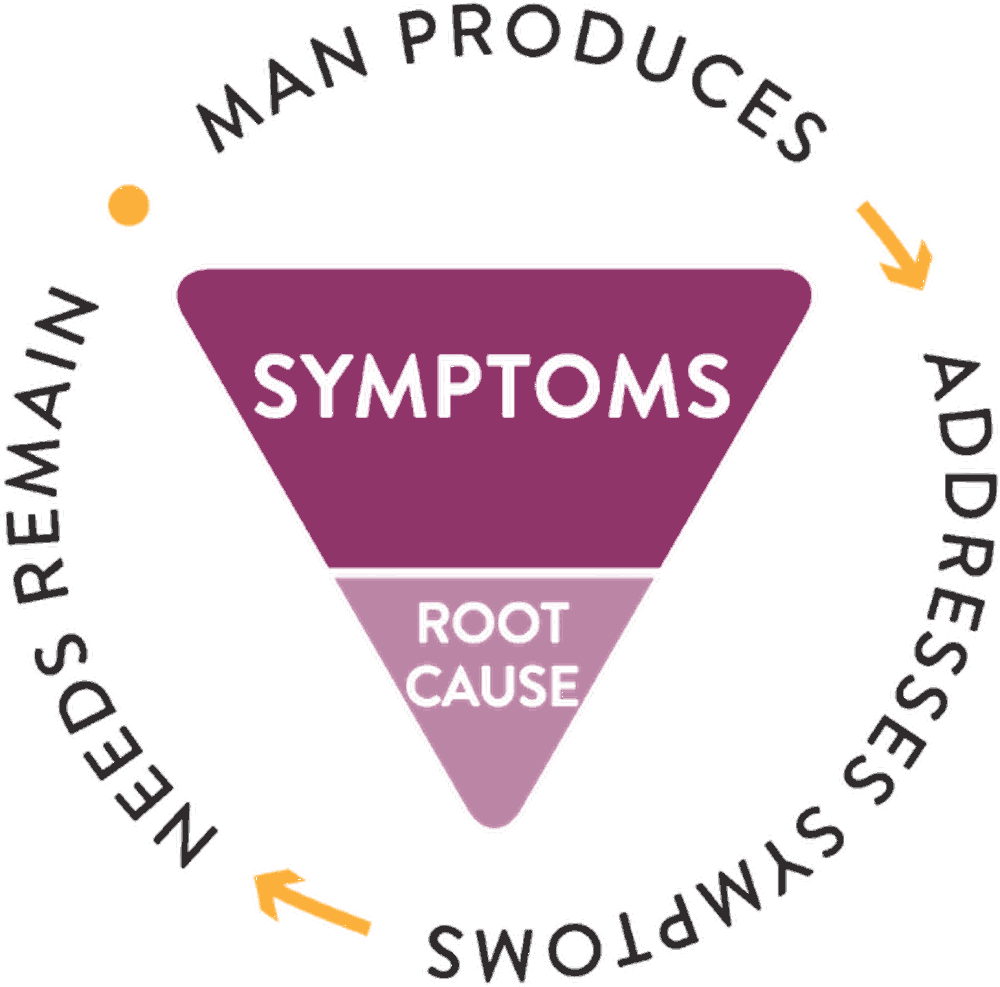
Modern
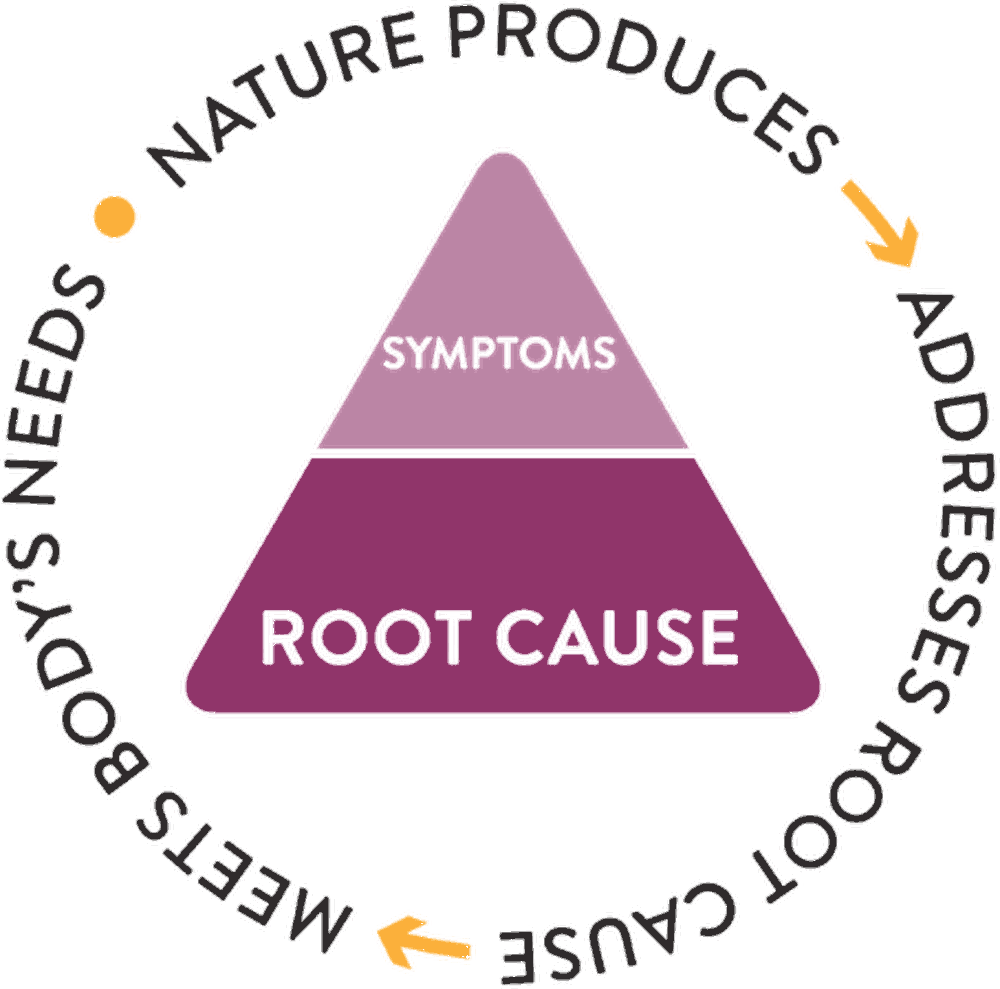
Natural
Built to manage symptoms
Addresses body’s needs and root causes
Made from isolated, synthetic compounds
Extracted from plants
Side effects - known and unknown
Is safe - benefits without side effects
Reactive - wait until something is wrong
Proactive - daily informed support
The difference is not that one works and the other does not. It is where each one aims. A symptom is the end of a chain — the body reporting that something upstream is not being met. Treat the report and the report quiets down; the upstream thing carries on as it was. Meet what the body is short of — food, rest, movement, what it is exposed to, the compounds it recognises — and the report tends to stop being generated.
A Healer at Home
A healer at home is someone who understands how their body works, understands what plants make and why it reaches us, keeps good natural tools in the house — and uses them, most days, whether or not anything is wrong. All three parts are needed. Understanding without the tools is a lesson; tools without the daily use are a drawer.
It is often the mother of a household, because she is usually the one who notices first and acts first — the one who moves bedtime earlier and puts a drop of lavender on a pillow when a child is sleeping badly, who keeps the daily foundation on the breakfast table rather than in a cupboard, who swaps the cleaner under the sink for something she can read. It is just as often someone looking after only themselves and their own wellbeing, or a father, a friend, an adult child looking after a parent. The role is not a person; it is a set of habits anyone can pick up.
One person doing this changes a whole household, mostly by ordinary means. They are the reason there is a sensible option in the cupboard at eleven at night. They are also the one who says, this has been going on three weeks now, please go and get it looked at — which is the same job, done well.
A healer is
Equipped
Your body is asking for things plants make, every single day, and it cannot make them itself. So keep them in the house: a working set of essential oils — the ten in the family kit cover most of ordinary life — and the nutrition side alongside them, the daily foundation and real food, with the nutrient library to look anything up.
Informed
Understands the body system by system, and understands what is actually in plants — which compounds they make, what those do, and which oils and supplements carry them.
Proactive
Uses what is in the house, as a habit rather than a decision: a daily routine that happens whether or not anything is wrong, and enough ongoing learning to stay in charge of your own wellbeing rather than handing it over. Your first week is where the habit starts.
Next
That is exactly what the courses here are laid out to do, in order. What a plant makes and why we extract it. How an oil is produced, what quality means, and how to use one safely. The body, system by system, so you know what you are supporting and why. What the body needs from food, and how to cover it. And a home with less in it that you cannot read.
Work through all of them and the progress ring on your Learn page fills. Receive your Healer certificate when the last one closes — informed, equipped, and in the habit.
This content is for education only. Nothing here is medical advice, and none of it is intended to diagnose, treat, cure or prevent any disease. Speak to a qualified healthcare practitioner about your own situation, particularly if you are pregnant, nursing, under medical care or taking medication.
Where this comes from
- The Healer at Home Booklet — the opening chapters on connection, self-care and the modern home.
- The doTERRA Live Guide — the wellness lifestyle model and its four foundations.
- Standard nutrition references on essential nutrients: the nine indispensable amino acids, the thirteen vitamins, and the two essential fatty acids.
- History of pharmacognosy — salicin from willow bark and methyl salicylate from wintergreen; the Ebers papyrus.
Lesson 1 of 4 · Natural Health & Wellness